Working in French agriculture
Job offers, one at a time. No account needed.
Grape harvest, fruit picking, market gardening and livestock: French farms hire seasonal and permanent workers every year. Apply directly to verified employers — free for candidates.
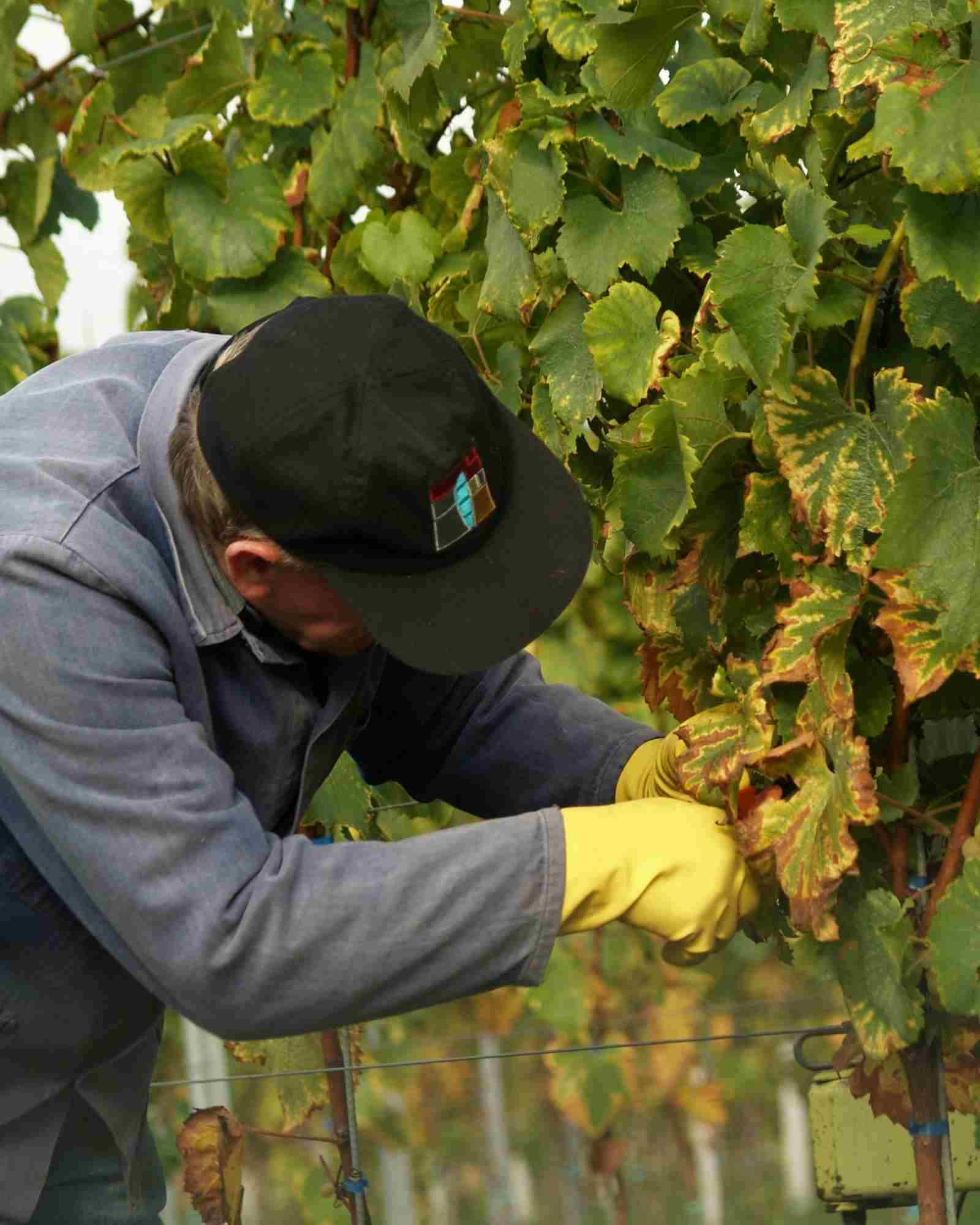
Every year, French agriculture seeks tens of thousands of workers for grape harvests, fruit picking, market gardening and livestock. Wine regions — Bordeaux, Burgundy, Provence, Languedoc — open their doors to foreign workers, on seasonal contracts limited to six months (CESEDA Art. L421-34) or on permanent CDI/CDD contracts. The sector is worth nearly €76 billion, employs over 750,000 people and consistently tops the list of high-demand occupations recognized by the French Ministry of Labour. On ObjectiFrance, your profile is matched directly with farms verified through the Recherche Entreprises API (api.gouv.fr). No agency, no hidden fees — just a CESEDA-compliant file, a real employer, and bilingual human support all the way to your arrival in France.
Six agricultural roles open to international candidates.
Seasonal or permanent — every role below is among the most sought-after by French farms in 2026, according to Apecita and DARES official figures.
№ 01
Grape harvester
€1,800 – €2,100Seasonal · 4 to 8 wksCutting and sorting grapes in vineyards. No diploma required, experience valued. On-site housing often included.
Voir les offres№ 02
Fruit picker
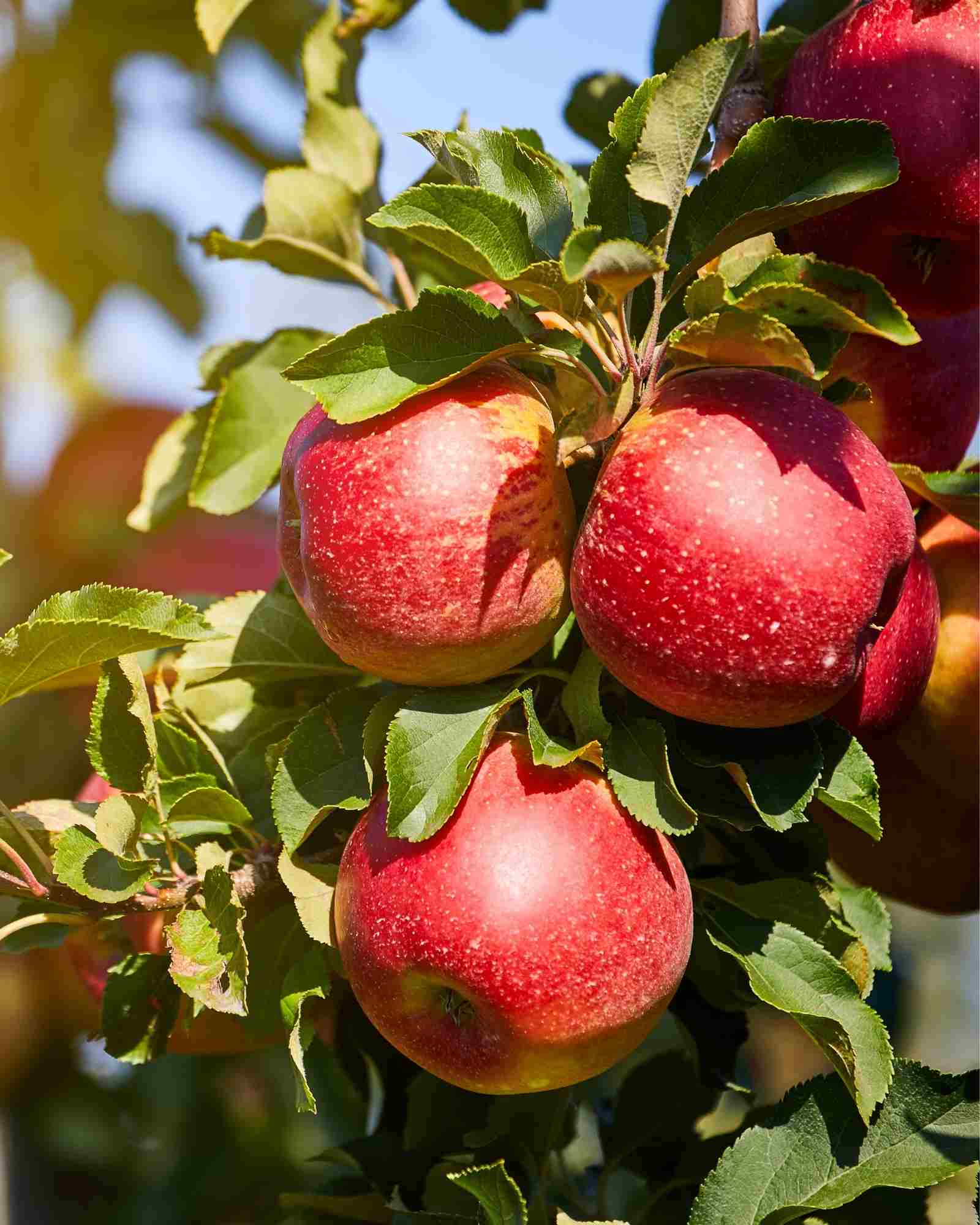
€1,800 – €2,050Seasonal · 2 to 6 moPicking apples, pears, apricots, strawberries, cherries depending on season and region. Many openings in the Rhône Valley and South-West.
Voir les offres№ 03
Market gardener
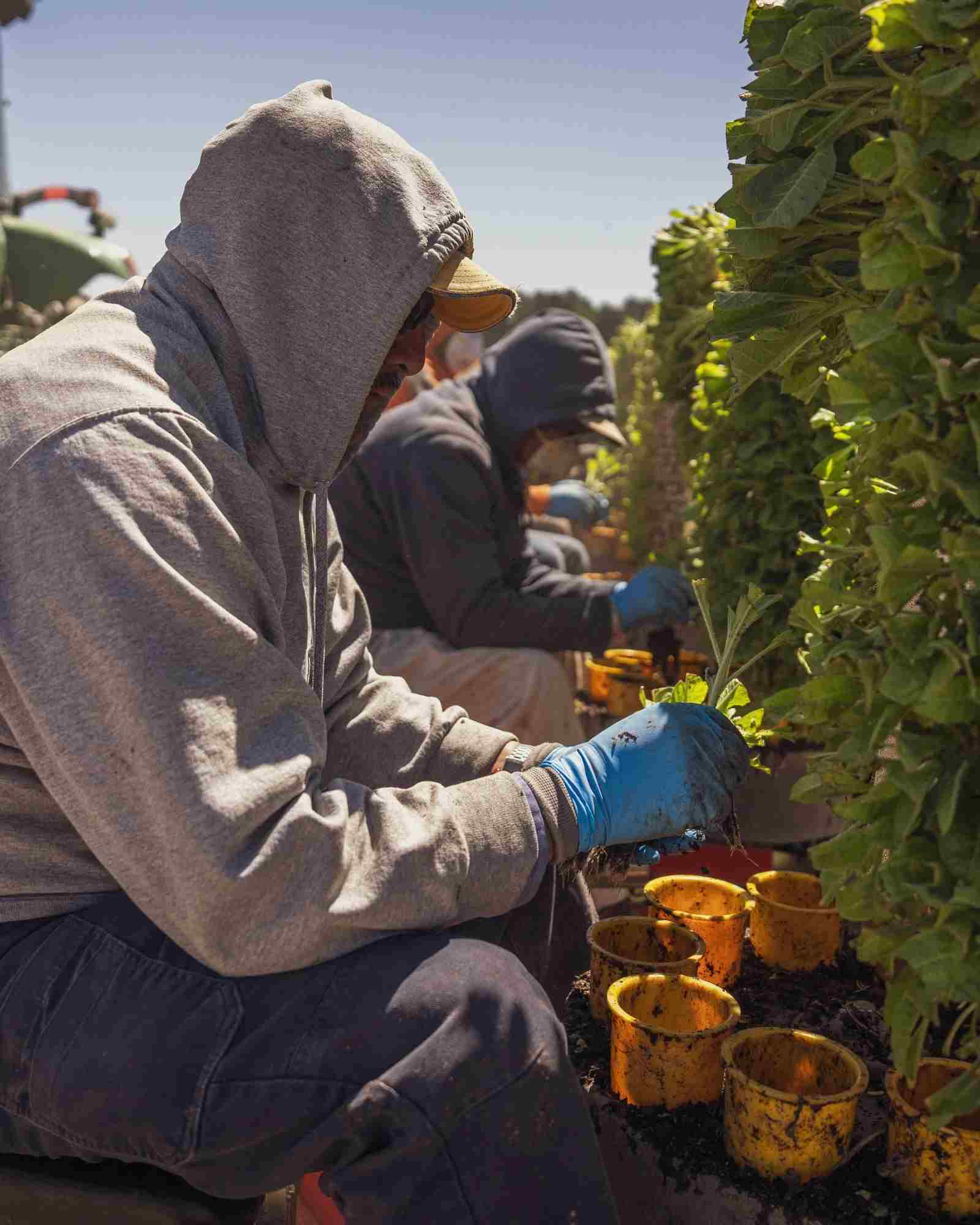
€1,850 – €2,300Seasonal or permanentPlanting, tending and harvesting under glasshouse or open field. Tomatoes, lettuce, courgettes, strawberries. More stable than picking.
Voir les offres№ 04
Livestock worker
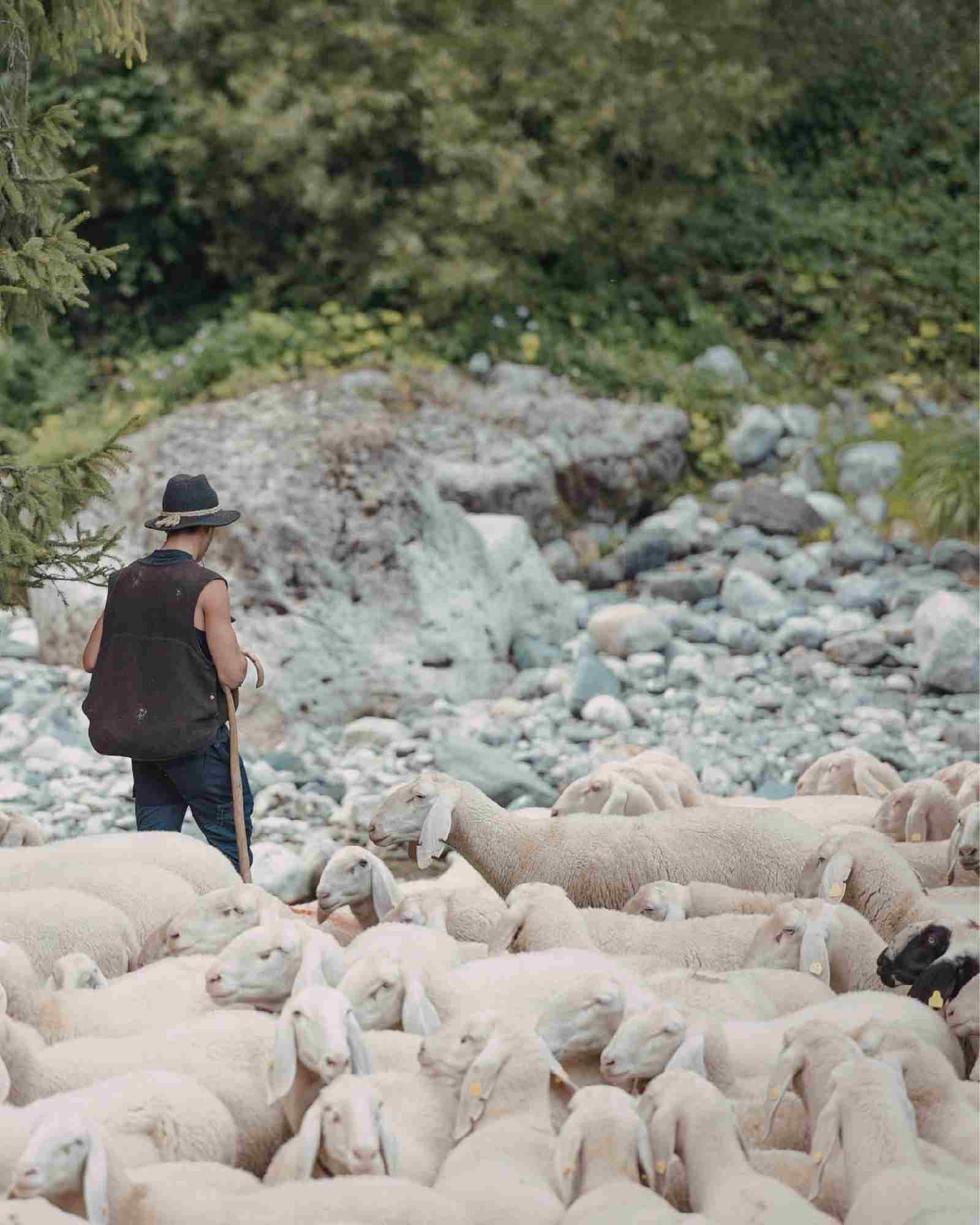
€1,950 – €2,600Permanent / fixed-termAnimal care, milking, feeding, health monitoring. Dairy, beef or sheep farms in Brittany, Normandy and the Massif Central.
Voir les offres№ 05
Tractor operator
€2,100 – €2,800Seasonal or permanentOperating tractors, combines and harvesters. Tractor licence or documented experience required.
Voir les offres№ 06
Crop manager
€2,800 – €4,000PermanentTeam leadership, harvest planning, logistics coordination. Senior position, proven experience required.
Voir les offres
Three reasons to choose French agriculture.
— I
Recognized high-demand occupations
Several agricultural roles top the official list of high-demand occupations (Labour Code Art. R5221-21), giving access to fast-track work permits without local labour-market test.
— II
Seasonal protection up to 6 months
The French seasonal contract (CESEDA Art. L421-34) protects your rights: collectively bargained pay aligned with Convention 7024, often-included housing, social security and end-of-contract bonus.
— III
Bridge to permanent stay
Many seasonal workers return year after year — some then move to a permanent contract, opening the way to a multi-year residence permit and ultimately to naturalization through work.
Your steps, with the law to back them up.
French agriculture welcomes foreign workers under two main schemes. Below are the texts that frame your file — your ObjectiFrance advisor applies them step by step.
- — CESEDA Art. L421-34
Seasonal worker
Authorizes foreign nationals to work seasonally in France for up to 6 months over 12 consecutive months. The permit is renewable year after year with the same employer.
- — Labour Code Art. L4153-1
Minimum age
You must be at least 16 years old to sign a French employment contract. Work by minors is strictly regulated and certain hazardous farm tasks are forbidden to them.
- — Labour Code Art. R5221-21
High-demand occupations
Official list of occupations granting fast-track work permits without local labour-market test. Several agricultural roles are listed — the procedure is faster and more predictable.
- — Collective Agreement N° 7024
Agricultural production
Minimum wages by tier, working hours, meal allowances, paid leave and social protection specific to agriculture. The SMIC (minimum wage) cannot fall below this scale.
How much do you earn in French agriculture?
Indicative gross monthly figures in euros, excluding seasonal bonuses and any housing provided by the employer. 2026 monthly gross SMIC (since 1 June): €1,867.02.
| Role | Minimum | Maximum |
|---|---|---|
| Grape harvester (seasonal) | €1,867 | €2,100 |
| Fruit picker | €1,867 | €2,050 |
| Market gardener | €1,850 | €2,300 |
| Livestock worker | €1,950 | €2,600 |
| Tractor operator | €2,100 | €2,800 |
| Crop manager | €2,800 | €4,000 |
— Source: 2026 collective wage scales — Convention N° 7024 / Apecita / DARES. Figures are updated yearly by France's official statistical office for labour.
When to come: the French harvest calendar.
Seasonal farm work in France follows the harvest, not the school year. Fruit picking, grape harvest and vegetable work each have their own window — dates shift by one to three weeks with the weather and the latitude.
| Harvest | Season |
|---|---|
| Asparagus | April to June |
| Strawberry picking | April to June, then late season |
| Cherries | May to July |
| Apricots, peaches, melons | June to August |
| Lavender | July to August |
| Grape harvest (vineyard work) | Late August to October |
| Apple and pear picking | August to November |
| Potatoes, sugar beet | September to November |
| Olives | November to December |
| Greenhouse market gardening | All year round |
| Livestock and milking | All year round |
— Indicative periods. The grape-harvest contract is capped at one month; a seasonal farm contract usually runs 3 to 6 months and supports a long-stay visa when signed from abroad.
Where the demand is highest.
French agriculture clusters around a dozen major basins. Pick your region based on the role and season — the ObjectiFrance team can guide you.
Bordeaux & South-West
— Vineyards, plums, kiwis, asparagus
September to November for grape harvest, July for fruit. Key départements: Gironde, Lot-et-Garonne, Dordogne. Over 60,000 seasonal workers hired each autumn.
Provence & PACA
— Vineyards, olive groves, market gardening
Harvests from May to October depending on crop. Bouches-du-Rhône, Vaucluse, Var. Strong year-round demand for greenhouse market gardening.
Burgundy & Beaujolais
— Prestigious vineyards
Highly sought-after grape harvests in September-October. Côte-d'Or, Saône-et-Loire, Rhône. Working conditions regulated by appellation charters.
Rhône Valley
— Orchards, vineyards, apricots
Apricot, peach and cherry picking from May to August. Drôme, Ardèche, Vaucluse. Over 30,000 seasonal jobs each summer.
Brittany & Normandy
— Dairy farming, market gardening
Year-round permanent positions in dairy and beef farms. Manche, Orne, Côtes-d'Armor, Ille-et-Vilaine. Mild climate appreciated.
Loire & Centre-Val de Loire
— AOC vineyards, market gardening
Grape harvest and picking from September to October. Loiret, Loir-et-Cher, Indre-et-Loire. Sancerre, Pouilly-Fumé and Touraine appellations.
Three steps to your French farm contract.
- 01
Build your candidate file
Guided form aligned with CESEDA. Identity, agricultural experience, availability, target region. 15 minutes on average. Auto-saved at every step.
- 02
Get visible to French farms
Your profile is showcased to farms verified via the Recherche Entreprises API (api.gouv.fr). No middleman, no upfront fee — ever.
- 03
Prepare your arrival
Our team handles the work permit, visa, OFII registration on arrival, bank account, social security (MSA for agriculture) and housing search.
Applying from the Maghreb?
Consular procedures, work authorisation and qualification recognition vary by country of origin. Check the dedicated guide for your nationality and the official channels (OFII, ANAPEC/ANEM/ANETI, France-Visas).
— By country of origin
— Process & support
Everything you need to know before leaving.
Do I need a diploma to work in French agriculture?
For most seasonal jobs (grape harvest, picking, market gardening), no diploma is required. Practical experience is appreciated and often requested for the higher-paid roles. For more skilled positions (tractor operator, crop manager, livestock technician), formal training or at least 2 years of documented experience is generally required.
What is the minimum salary for a seasonal farm worker in France?
The monthly gross SMIC is €1,867.02 for a 35-hour week since 1 June 2026. Collective Agreement N° 7024 sets minimums by tier — a grape harvester earns between €1,867 and €2,100 gross/month depending on region and farm. Overtime is paid at +25% for the first 8 hours, then +50%.
What is the maximum length of a seasonal contract?
A seasonal contract cannot exceed 6 consecutive months over a 12-month period (CESEDA Art. L421-34). It is renewable year after year, allowing you to come back each season with the same employer. Three consecutive seasons often pave the way to a permanent contract.
Is housing provided during the season?
On most seasonal farm contracts, the employer offers housing (cottage, mobile home, dormitory) at a low cost or free. Conditions are spelled out in the contract signed before departure. Minimum housing standards are set by decree — any non-compliance can be reported to the labour inspectorate.
Can my visa lead to permanent residency?
Yes. A seasonal worker who returns several consecutive years can request a status change toward a permanent farm contract, granting a multi-year salaried residence permit. After 5 years of regular residence, you can apply for a 10-year resident card, then for naturalization.
Which regions hire the most seasonal workers?
Main hiring areas are Bordeaux, Provence, Burgundy, the Rhône Valley, Beaujolais, the Loire and the South-West. Brittany and Normandy hire year-round for dairy and livestock. Languedoc and Occitanie offer a particularly long season, May to November.
How long do administrative procedures take?
For a seasonal contract, expect 4 to 8 weeks between contract signature and visa issue. ObjectiFrance centralizes the steps: work permit (DREETS), long-stay visa, OFII registration on arrival, social security (MSA for the agricultural sector).
Can I bring my family during a seasonal contract?
Seasonal contracts (max 6 months) do not grant family reunification rights. To bring your family over, you must move to a salaried or Passeport Talent permit — which ObjectiFrance supports as soon as you secure a permanent contract. Family reunification then requires 18 months of regular French residency.
Are there any fees to pay to ObjectiFrance?
Applying is free and unlimited for every candidate. If you want an advisor to prepare your file and send your applications with you, France ★ costs €89 (6 months), or France ★★ at €490 with your arrival in France (12 months), with a 30-day money-back guarantee. Nobody should sell you a seasonal contract or a job: anyone asking you for an upfront payment in our name is a scammer — report them to us.
What if my employer breaches the contract?
Any dispute should be reported to the labour inspectorate (DREETS) and, if you are supported by ObjectiFrance, to your advisor. Seasonal contracts signed via ObjectiFrance are monitored regularly. In case of proven misconduct, the employer can be removed from our pool and prosecuted.
How can I find seasonal farm work in France from abroad?
You need an employer who signs a seasonal contract before you travel: the employer applies for the work permit, and that permit is what opens the long-stay visa. Target the harvests in the calendar above and apply two to three months before the season starts, when farms are hiring. Placement is free for the candidate (French Labour Code, Article L5321-3).
Do I need experience for fruit picking or the grape harvest?
No, not for fruit picking or vineyard work: training takes a few hours on site. The real requirement is physical — bending, pace, outdoor work in all weather. Milking, machinery operation and greenhouse market gardening, on the other hand, do require experience.
How much does a seasonal farm worker earn in France?
At least the SMIC — €12.31 gross per hour since 1 June 2026 — and at least the minimum set by the applicable agricultural collective agreement. Overtime is paid at a premium. Some farms offer accommodation, deducted from wages within the limits set by regulation.
Land an agricultural job in France.
An email to start. A guided file. A team by your side. Never alone in front of paperwork again.
— 100% free to apply
You are abroad: our team in France finds employers, calls them and submits your applications for you within 72 h.Discover France ★